
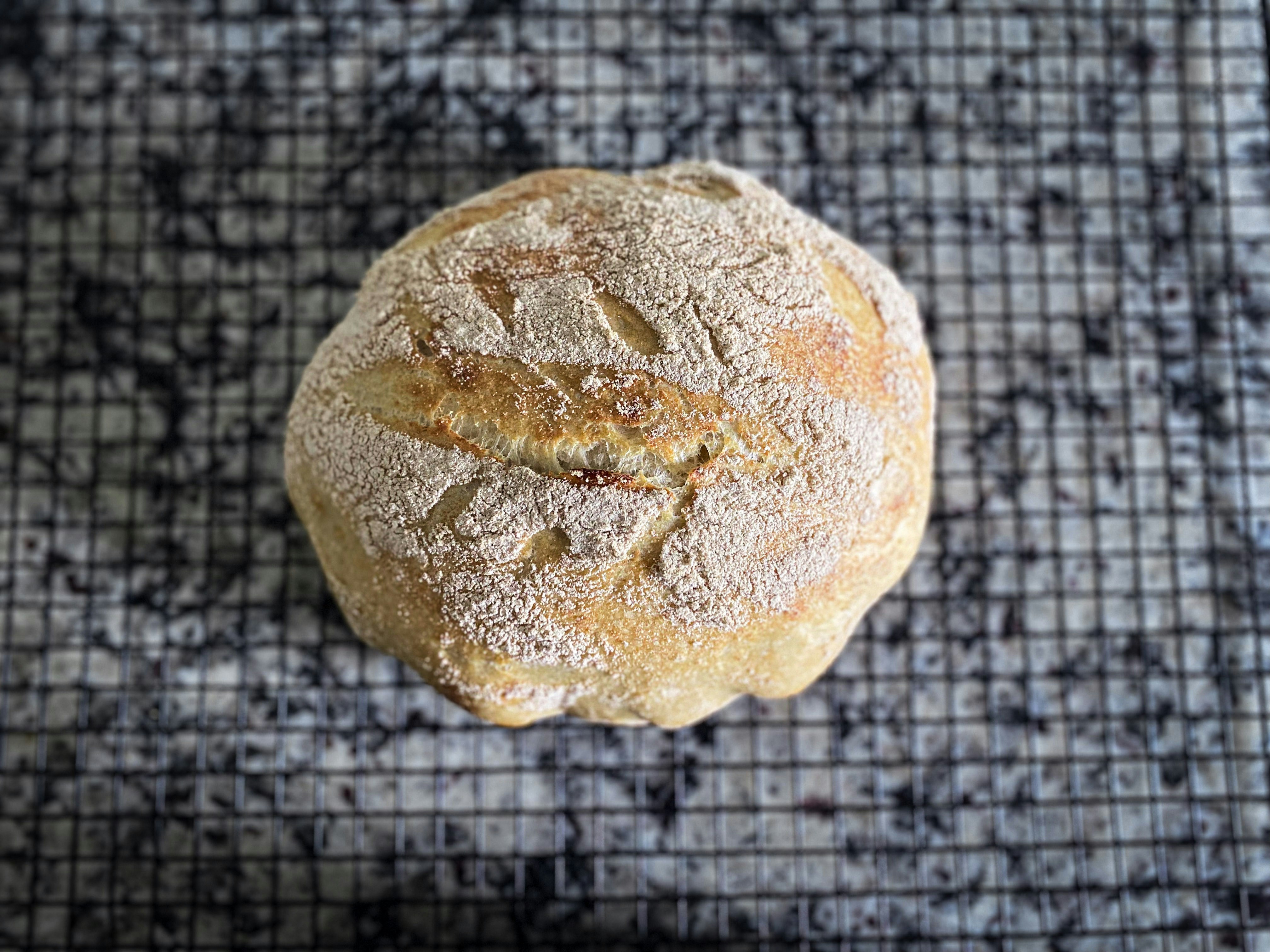
Introduction to Bread Baking
Embarking on the journey of bread baking opens up a world of creativity and satisfaction. At first glance, the idea of crafting a loaf of bread from scratch may seem daunting to many. However, it is important to recognize that the process is not as complex as it appears. By understanding the fundamental elements involved, anyone can master this traditional culinary art.
Bread baking primarily requires just a few basic ingredients: flour, water, yeast, and salt. These simple components come together to create a variety of textures and flavors, transforming the dough into a delightful loaf. With a little patience and practice, one can create fragrant, golden loaves that fill the home with an inviting aroma.
The allure of homemade bread lies not only in the end product but also in the experience of the baking process itself. Kneading the dough, watching it rise, and finally taking the warm loaf out of the oven can be incredibly rewarding. This method also allows for personal customization through the addition of herbs, seeds, or other flavorings, which can elevate the taste profile of your bread.
Moreover, baking bread from scratch provides an opportunity to reconnect with the basics of cooking. Many find comfort in the hands-on nature of bread making, fostering a sense of achievement as one witnesses the transformation of raw ingredients into a beautifully baked loaf. As a practical culinary skill, bread baking can also serve to enhance one’s knowledge and appreciation of various types of breads established in different cultures.
As we delve deeper into the intricacies of bread making, readers will discover not only the techniques needed for success but also the joys accompanying each stage of the process. From mixing to baking, every element plays a vital role in creating that perfect loaf.
Essential Ingredients for Baking Bread
Baking bread from scratch requires a careful selection of ingredients that play distinct and vital roles in the final product. The primary ingredient, flour, is foundational, as it provides the structure and texture of the bread. The type of flour used can influence the outcome; all-purpose flour is commonly chosen for its versatility, whereas bread flour has a higher protein content, resulting in a firmer texture and better gluten development.
Water is another crucial component, as it hydrates the flour, allowing the proteins to form gluten. The temperature of the water can have an impact on yeast activity; warmer water can speed up the fermentation process, while cold water results in a longer fermentation period, allowing for enhanced flavor development. When measuring water, it’s essential to use the correct ratio in relation to the flour to achieve the desired dough consistency.
Yeast serves as the leavening agent in bread, responsible for creating the characteristic rise. When activated, yeast ferments the sugars in the dough, producing carbon dioxide gas that causes the dough to expand. There are different forms of yeast available, including active dry yeast, instant yeast, and fresh yeast, each with unique properties and usage instructions. Selecting the right type of yeast can significantly affect the texture and taste of the bread.
Salt is a vital ingredient in bread making, providing essential flavor while also regulating yeast activity. It strengthens the gluten structure, contributing to a pleasing chewiness in the end product. Optional ingredients, such as sugar or fats like butter and oil, can be incorporated to enrich the dough, providing additional flavor and tenderness. Sugar not only sweetens the bread but also aids in browning during baking. Butter or oil can enhance the moisture content, resulting in a softer loaf.
Incorporating these ingredients with precision and care allows for the creation of a soft, golden loaf that is both flavorful and texturally satisfying. Each component serves a purpose, fostering an understanding of how to manipulate them can elevate one’s bread baking skills.
The Right Equipment for Success
To achieve mastery in bread baking, having the appropriate tools at your disposal is essential. While it may be tempting to invest in specialized equipment, many of the items needed for making bread are common household goods that can facilitate the process without incurring significant costs. Understanding these tools and their functions can enhance both the experience and the quality of the final product.
One of the most fundamental tools required is a mixing bowl. A large, sturdy bowl enables you to combine ingredients efficiently, allowing for ample space to mix, knead, and rise your dough. Additionally, measuring cups and a digital scale are crucial for accurately portioning out your ingredients. Precision in measuring flour, water, and yeast can significantly affect the texture and flavor of your bread.
Another important item in your bread-baking toolkit is a baking sheet or loaf pan. The choice between the two depends on the type of bread you wish to create. A baking sheet is often suitable for artisan-style loaves, allowing for increased crust development, while a loaf pan is preferable for sandwich breads that need a taller structure. It’s beneficial to use pans made from materials like aluminum or non-stick coatings for even heat distribution and easy release.
In addition to the primary tools, kneading equipment such as a bench scraper and a rolling pin can significantly enhance your ability to work with the dough. A bench scraper helps in maneuvering dough with ease, while a rolling pin allows for uniform thickness when rolling out certain types of bread. Other household items, such as a clean kitchen towel and a plastic wrap, are also valuable for covering your dough during the rising process.
Ultimately, while various specialized bread-baking tools can improve the experience, focusing on these essential items will provide you with a solid foundation for crafting your own soft, golden loaves at home.
Step-by-Step Instructions for Making Bread Dough
To create your own soft, golden loaf from scratch, following precise steps is crucial for success. The first task is to gather all necessary ingredients, which typically include flour, water, yeast, sugar, and salt. It is advisable to use high-quality flour, as this will greatly influence the texture and flavor of your bread. Begin by measuring two cups of flour and placing it in a large mixing bowl.
Next, dissolve one packet of active dry yeast in a half cup of warm water. Ensure the water temperature is between 100°F and 110°F, as water that is too hot can kill the yeast. To this mixture, add a tablespoon of sugar, which will feed the yeast and encourage fermentation. Allow the mixture to sit for about five to ten minutes, at which point you should see bubbles forming on the surface, indicating that the yeast is active.
Once the yeast is ready, it is time to combine the wet and dry ingredients. Pour the yeast mixture into the bowl of flour, and add a teaspoon of salt for flavor. Gradually mix the ingredients with a wooden spoon or spatula until a rough dough forms. At this point, you may need to add additional flour, one tablespoon at a time, to prevent the dough from becoming too sticky.
When your dough has come together, turn it out onto a floured surface and begin kneading. Kneading is a vital step, as it develops gluten, giving the bread its structure. Work the dough by folding it over and pressing it down. Continue this process for about ten minutes, or until the dough is smooth and elastic. To test its readiness, perform the “windowpane test”: stretch a small piece of dough between your fingers; if it forms a thin, translucent membrane without tearing, it is well-kneaded.
After kneading, place the dough back into the bowl, cover it with a damp cloth, and let it rise in a warm area for about one to two hours or until it has doubled in size. This fermentation process is essential for flavor development and creates the light texture you desire in your loaf.
Understanding the Dough Rising Process
The dough rising process is a fundamental aspect of bread baking, encompassing both the science and art that contribute to a successful loaf. At the heart of this transformation lies yeast, a single-celled fungus that plays a critical role in fermentation. When yeast is combined with warm water and sugar, it begins to feed on these carbohydrates, leading to the production of carbon dioxide gas and alcohol. The carbon dioxide bubbles become trapped within the dough’s gluten structure, causing the dough to expand and rise. This process not only increases volume but also significantly enhances the bread’s texture and flavor.
The rate at which dough rises can be influenced by several factors, including temperature, humidity, and the specific type of yeast used. For instance, utilizing active dry yeast or instant yeast can affect the rising time, with instant yeast often leading to quicker fermentation. Optimal rising temperatures typically range from 75°F to 120°F (24°C to 49°C), with warmer temperatures accelerating yeast activity. Conversely, if the environment is too cold, yeast becomes dormant, slowing the fermentation process considerably.
A key component of dough rising is the duration of this process. Allowing the dough to rise undisturbed enables it to develop more complex flavors and a light, airy texture that many home bakers desire. Additionally, during this time, the gluten in the dough strengthens, providing the structural integrity necessary for the final baked loaf. The length of the first rise, often referred to as bulk fermentation, can vary depending on the recipe, but a general rule of thumb is to allow the dough to double in size. Understanding this delicate balance is essential for any aspiring baker aiming to master the art of bread baking.
Shaping and Preparing the Loaf
Once your dough has risen adequately, the process of shaping it into a loaf begins. This stage is crucial as it contributes not only to the aesthetics of the final product but also to its structure and texture. Start by lightly flouring your work surface to prevent sticking. Gently turn the risen dough out onto the counter, taking care not to deflate it excessively. The goal here is to preserve the air pockets created during fermentation, which are essential for a light and airy loaf.
To shape the dough, first flatten it lightly into a rectangle, using your hands or a rolling pin, ensuring that the thickness is even. Next, begin folding the dough into thirds, akin to folding a letter. This technique helps to create surface tension in the loaf while also incorporating some tension within the dough structure. After the first three folds, flip the dough seam side down, and use your hands to shape it into a tighter ball by pulling the edges into the center. This additional step will enhance the aesthetic appeal of the loaf.
After achieving the desired shape, it is time to place the dough into the prepared baking pan. Use a greased loaf pan or line it with parchment paper to facilitate easy removal once baked. Gently transfer the shaped loaf into the pan, ensuring that the seam side is facing down. If desired, you can score the top of the loaf with a sharp knife, which allows for controlled expansion during baking. This not only adds visual interest but also enhances the bread’s texture. At this stage, you may wish to let the loaf rise for a final time before baking, which will further improve its lightness. Following these steps will lead to a beautifully shaped and well-prepared loaf that reflects your skills in bread baking.
Baking Your Bread: Tips and Techniques
Baking bread is an art that combines both science and culinary skills. To achieve a soft, golden loaf, understanding various baking techniques is crucial. The first element to consider is your oven temperature. Generally, preheating your oven to around 375°F (190°C) is advisable for most bread recipes. However, some artisanal styles may benefit from a higher initial temperature, such as 450°F (232°C), which helps to form a robust crust while maintaining a soft interior. A baking stone can also be introduced to retain heat, ensuring even baking.
Monitoring your bread for doneness is equally important. One effective method to check if your loaf is fully baked is to tap the bottom of the bread; if it sounds hollow, it indicates that the bread is ready. Additionally, using a thermometer to ensure the internal temperature reaches about 190°F (88°C) can help guarantee that your loaf is cooked perfectly throughout. Understanding these indicators can vastly improve your baking outcomes.
A golden crust is often a hallmark of a well-baked loaf. Achieving this can be facilitated by the introduction of steam during the initial baking phase. Placing a pan of hot water in the oven—or spritzing the dough with water just before it goes in—can create moisture in the environment. This steam helps delay the formation of the crust, allowing the bread to rise further before it hardens, resulting in a more desirable texture and color.
Incorporating these baking tips will not only enhance the appearance and texture of your bread but also instill confidence in your ability to create a delectable loaf. With practice and attention to detail, you will be well on your way to mastering the art of bread baking.
Cooling and Storing Your Bread
Once you have baked your bread to perfection, proper cooling and storing are essential to maintain its soft texture and flavor. The cooling process allows moisture to escape from the crumb structure, preventing sogginess and ensuring a delightful core. It is crucial to let your homemade loaf cool on a wire rack for at least one hour. This not only helps in achieving the ideal crust but also allows the internal steam to distribute evenly, ensuring that each slice remains enjoyable.
After the cooling period, the method of storing your bread can significantly affect its longevity. For optimal freshness, consider keeping it in a paper bag at room temperature. A paper bag permits air circulation, which helps avoid mold while maintaining a flexible crust. Alternatively, a bread box can also be an effective storage solution. It provides a controlled environment that balances humidity and ventilation, which is essential for preserving the quality of your loaf.
If you anticipate that you will not consume the bread within a few days, freezing becomes a practical option. Wrap the cooled loaf tightly in plastic wrap, followed by aluminum foil, to protect it from freezer burn. This method can extend the freshness of your bread for up to three months. When it’s time to enjoy your loaf again, allow it to thaw at room temperature. To refresh the texture and crust, you can reheat it in an oven at a low temperature for just a few minutes.
When cutting bread, use a serrated knife and avoid pressing down hard, as this can lead to squashed slices. Instead, gently saw through the bread to retain its shape and fluffiness. Avoid the common mistake of cutting warm bread, as this can result in a gummy texture. By applying these cooling and storing practices, you can ensure that your homemade bread remains delicious for days on end.
Delicious Variations and Flavor Combinations
Baking bread at home offers an opportunity to experiment and innovate, transforming a simple loaf into a culinary masterpiece. While a basic bread dough comprises flour, water, yeast, and salt, the addition of various ingredients can lead to delightful flavor combinations that cater to diverse preferences. Consider introducing an array of herbs and spices into the dough, such as rosemary, thyme, or garlic powder. These ingredients not only enhance the aroma of the bread as it bakes but also impart a savory depth of flavor that pairs beautifully with a variety of meals.
Cheeses are another excellent way to elevate your bread. Incorporating shredded cheese, such as cheddar or mozzarella, into the dough can create a rich, gooey interior that complements the crust’s crunchy texture. For a gourmet touch, try mixing in varieties like feta or goat cheese, which offer a tangy contrast that enhances the overall taste experience. Additionally, adding other ingredients like olives or sun-dried tomatoes can contribute to a Mediterranean flair, creating a unique loaf suitable for table serving or as part of a charcuterie board.
If you prefer whole grain varieties, consider substituting a portion of the all-purpose flour with whole wheat, rye, or oat flour. This not only increases the bread’s nutritional value but also adds a hearty taste and texture. Sweet options should not be overlooked; incorporating ingredients such as honey, nuts, or dried fruits can create delightful breakfast breads or accompaniment for tea. Ultimately, the scope of personalization in bread baking is vast. By experimenting with different combinations of flavours and textures, each loaf can become a reflection of one’s tastes, ensuring a rewarding baking experience that invites creativity and joy.