
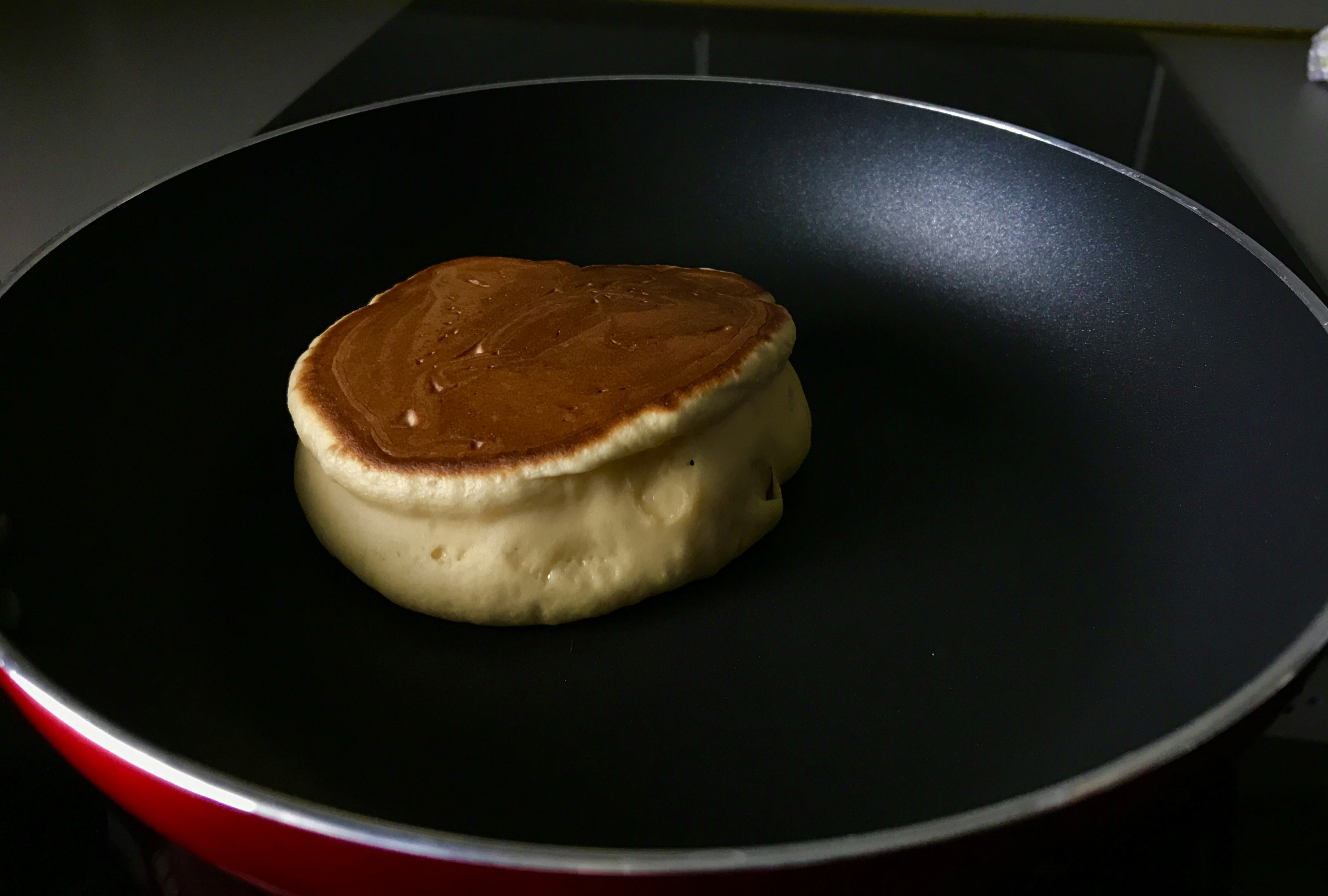
Introduction to Pancake Perfection
Pancakes, a timeless breakfast favorite, have captivated the palates of many across generations. Their allure lies not only in their delightful taste but also in their inviting appearance, especially when they boast a beautiful golden hue. The careful balance of ingredients and cooking technique can create pancakes that are not only visually appealing but also offer the perfect texture—light, fluffy, and wonderfully satisfying. Achieving pancake perfection is a culinary goal for many home cooks and breakfast enthusiasts alike.
Golden pancakes stand out as an iconic choice for breakfast tables, combining simplicity and elegance. The enticing aroma that wafts through the kitchen as pancakes cook is enough to rouse anyone from a slumber. Moreover, their versatility allows for a multitude of toppings and fillings, enhancing their appeal and making them suitable for various tastes. Whether served with a drizzle of maple syrup, a dollop of whipped cream, seasonal fruit, or a sprinkle of nuts, these pancakes can be adapted to meet individual preferences, making them a perfect morning treat.
An essential aspect of cooking pancakes lies in mastering the right combination of ingredients and the cooking method. The texture can greatly influence the overall enjoyment of this dish; a pancake that is too dense may miss the mark, while a delightfully airy one invites seconds. Additionally, achieving the perfect golden color is crucial, as it not only reflects the skill of the cook but also enhances the pancake’s flavor profile. With this guide, we aim to provide you with a foolproof recipe, empowering you to create consistently perfect light and golden pancakes that will impress both family and friends.
Essential Ingredients for Fluffy Pancakes
Creating the perfect fluffy pancakes involves carefully selecting and combining essential ingredients that each play a pivotal role in achieving the desired texture and flavor. The foundation for any pancake recipe begins with flour. All-purpose flour is the most common choice, as it provides the ideal balance of protein and starch, contributing to the pancake’s fluffiness. For a lighter and more delicate pancake, consider using a mix of all-purpose flour and cake flour, which has a lower protein content.
Next, the role of eggs cannot be understated. Eggs provide structure and stability to the batter while also adding moisture. When beaten, the eggs incorporate air, which will help create a light and airy pancake. It is recommended to use large eggs for uniformity and consistent results in texture.
Milk is another crucial ingredient that contributes to the overall moisture of the batter. Whole milk is often preferred for its creaminess, but alternatives such as almond or oat milk can be used for those with dietary restrictions. Milk not only hydrates the dry ingredients but also helps to create a tender pancake through the gluten formation process.
Leavening agents, such as baking powder or baking soda, are essential for providing the desired rise. Baking powder is commonly used for pancakes as it creates bubbles that expand during cooking, resulting in fluffy layers. Ensure that your leavening agents are fresh, as expired products may not yield the expected lift.
Lastly, sugar adds sweetness and aids in browning, contributing to the golden color of pancakes. A small amount of granulated sugar or brown sugar can enhance the flavor without overpowering the dish. Using high-quality ingredients, organic where possible, can make a significant difference in the outcome of your pancakes, elevating their taste and texture to new heights.
Tools You’ll Need
To achieve the perfect light and golden pancakes, having the right kitchen tools is crucial. A well-equipped kitchen not only streamlines the preparation process but also enhances the overall quality of your pancakes. This section outlines essential tools that will make pancake preparation easier and more efficient, ensuring that each flip yields delectable results.
Firstly, you will need a set of mixing bowls. Opt for at least two or three in varying sizes; this allows for organized ingredient separation and prevents cross-contamination. A large bowl is ideal for mixing the batter, while smaller ones can hold any additional ingredients like berries or nuts. Furthermore, a whisk is indispensable. It effectively combines wet and dry ingredients, ensuring a perfectly smooth pancake batter free of lumps. Using a whisk rather than a blender helps maintain the light texture desired in pancakes.
Another key item is a set of measuring cups and spoons. Accurate measurements are vital for achieving the desired consistency and taste in your pancake batter. Investing in a measuring cup set with clear markings will ensure that you add just the right amount of flour, milk, and eggs. Spatulas, both rubber and metal, are also necessary for flipping pancakes. A non-stick spatula will prevent the pancakes from breaking apart, adhering to the essential quality of being light and fluffy.
Lastly, a non-stick frying pan or griddle is recommended. The surface should be well-heated to promote even cooking and prevent sticking. Non-stick options are ideal as they require less oil and make flipping pancakes much more manageable. With these tools at your disposal, you will be well-prepared to create perfect light and golden pancakes with ease.
Step-by-Step Pancake Recipe
To achieve the ultimate golden pancakes, it is essential to start with the right ingredients and a precise method. Begin by gathering the following ingredients: 1 cup of all-purpose flour, 2 tablespoons of granulated sugar, 1 tablespoon of baking powder, 1/2 teaspoon of salt, 1 cup of milk, 1 large egg, and 2 tablespoons of melted butter or vegetable oil. These components combine to create a light, fluffy batter.
Start by mixing the dry ingredients in a medium bowl: flour, sugar, baking powder, and salt. Whisk these thoroughly to ensure even distribution. In a separate bowl, combine the wet ingredients: milk, egg, and melted butter. Whisk them together until they are well-blended. Now, pour the wet mixture into the dry ingredients. Using a spatula, gently fold the ingredients until just combined; it is acceptable if some lumps remain. This technique will prevent overmixing, which can result in dense pancakes.
Next, preheat your skillet or griddle over medium heat. Lightly grease the cooking surface with a small amount of butter or oil to ensure an even cook and prevent sticking. It is crucial to achieve the appropriate temperature; if it is too hot, your pancakes may cook too quickly and burn, resulting in a less desirable color. Conversely, if it is too cool, the pancakes will lack that golden complexion.
For each pancake, pour about 1/4 cup of batter onto the skillet. Cook the pancakes until bubbles form on the surface and the edges look set, approximately 2-3 minutes. Carefully flip the pancake using a spatula, cooking for an additional 1-2 minutes, or until golden brown on both sides. Continue this process until all the batter is used. Keep finished pancakes warm in an oven set to low heat while you cook the rest, ensuring they remain fluffy and delicious.
Tricks for Achieving Fluffiness and Color
Creating pancakes that are simultaneously light and golden can truly elevate one’s breakfast experience. A few well-practiced techniques can significantly enhance the texture and appearance of pancakes. One of the primary tricks is to avoid overmixing the batter. While it can be tempting to achieve a perfectly smooth mixture, overmixing can activate the gluten in the flour, resulting in dense pancakes. Instead, a few lumps are acceptable, as they indicate that the batter remains tender and airy.
Another crucial factor contributing to fluffiness is the temperature of the ingredients. It is advisable to use room temperature eggs and milk when preparing the pancake batter. Cold ingredients can lead to denser pancakes, while room temperature components allow for better amalgamation and create a fluffier end product. To expedite the process, consider setting the eggs out on the counter for about 30 minutes before mixing.
The cooking temperature also plays a vital role in achieving that perfect golden hue. Preheating the griddle or frying pan on medium heat ensures that the pancakes cook evenly. If the heat is too low, pancakes may take too long to cook, resulting in a pale color. Conversely, excessive heat can lead to burnt exteriors while the inside remains undercooked. A reliable test to check the frying surface’s readiness is to sprinkle a few drops of water; if they sizzle, the temperature is just right. Finally, flipping the pancakes at the appropriate time, indicated by bubbles forming on the surface, will further enhance their light and fluffy texture.
By implementing these techniques, it becomes easier to achieve perfectly fluffy and golden pancakes, enhancing both the taste and visual appeal of this beloved breakfast classic.
Topping Suggestions for Your Pancakes
Pancakes offer a versatile canvas for a variety of toppings, allowing individuals to create a personalized breakfast experience. Traditional toppings for pancakes often include butter and maple syrup, which provide a classic and comforting combination. The rich, creamy texture of butter melts perfectly into the warm pancakes, while maple syrup adds a sweet depth that enhances every bite.
For those looking to incorporate fresh flavors, consider using an assortment of fruits. Sliced bananas and strawberries are popular choices that not only add natural sweetness but also bring a burst of color to the dish. Blueberries and raspberries can be sprinkled on top or cooked down into a warm compote to create a delicious fruit sauce. Each option adds freshness and a unique flavor profile to the pancakes.
Whipped cream is another topping that can elevate pancakes to the next level. Its light, airy consistency contrasts beautifully with the dense texture of the pancakes, and it can be flavored with vanilla or even a touch of cinnamon for a delightful twist. For an indulgent option, consider adding chocolate whipped cream or a drizzle of chocolate sauce to satisfy those with a sweet tooth.
Nut butters also provide a nutritious and flavorful topping. Almond or peanut butter can be spread over the pancakes for a dose of protein, while also introducing a nutty flavor that pairs wonderfully with fruits. For an exotic touch, try coconut butter or hazelnut spread for a decadent breakfast experience.
Ultimately, the possibilities for pancake toppings are endless. Whether one prefers a simple approach with syrup or enjoys experimenting with fruits and creams, these suggestions will ensure your pancakes are not only delicious but also visually appealing.
Common Pancake-Making Mistakes to Avoid
Pancakes are a breakfast staple cherished by many, but achieving the perfect light and golden texture can be elusive if certain common mistakes are made. Understanding these pitfalls is crucial for anyone looking to master pancake preparation and ensure delicious results.
One frequent error is undercooking the pancakes. It is essential to observe the cooking time closely; pancakes should be flipped only when bubbles appear on the surface, indicating that the batter is nearly set. Flipping too early can lead to a raw center, while overcooking can result in a dry, tough texture. Additionally, using an appropriate heat setting is vital. A pan that is too hot may burn the exterior of the pancake while leaving the inside undercooked, whereas a pan that is not hot enough will prolong cooking time and yield a dense result.
Another common mistake is overcrowding the pan. When too many pancakes are placed in the pan at once, it can lower the temperature drastically, resulting in uneven cooking. To ensure even browning and cooking, it is advisable to work in batches, leaving adequate space between each pancake for heat circulation.
The choice of flour also plays a significant role in the outcome of pancakes. Using the wrong type, such as whole wheat flour instead of all-purpose, can alter the texture and taste. The variability in protein content results in differences in moisture absorption and fluffiness. It’s important to use the flour intended in the recipe to achieve the desired results. If substitutions are necessary, consider adjusting the liquid content accordingly.
By being mindful of these mistakes—undercooking, overcrowding, and using the wrong flour—home cooks can significantly enhance their pancake-making skills and achieve consistently perfect results.
Storage Tips for Leftover Pancakes
Storing leftover pancakes properly is crucial to preserving their delightful flavor and fluffy texture. To maintain their quality, there are a few effective methods to consider, including refrigerating, freezing, and reheating techniques that will help ensure your pancakes taste just as good later on.
When it comes to refrigerating pancakes, start by allowing them to cool completely at room temperature. Stacking warm pancakes in a container can lead to condensation, which may cause sogginess. Once cooled, place them in an airtight container, separating each pancake with a piece of parchment paper to prevent sticking. Refrigerated pancakes can last for about three to four days. To enjoy them again, simply reheat in a toaster or microwave until warmed through.
If you wish to keep pancakes for a longer duration, freezing is an excellent option. Similar to refrigeration, ensure that pancakes are completely cooled before freezing them. Use parchment paper or wax paper to separate each pancake and stack them neatly. Place the stack in a resealable freezer bag or an airtight container, ensuring to remove excess air to prevent freezer burn. Frozen pancakes can maintain their quality for up to two months. When you are ready to use them, simply reheat from frozen in the toaster or microwave.
For reheating, there are several methods to choose from, depending on your preference. A toaster is ideal for a crispy exterior, while a microwave is quicker and retains softness. To avoid drying out, consider covering the pancakes with a damp paper towel when microwaving. Utilizing these storage and reheating techniques will not only help you enjoy your leftover pancakes but will also ensure they retain their original taste and texture, making them a delightful treat even after your initial breakfast.
Conclusion: Pancakes Made Easy
In wrapping up our discussion on achieving the perfect pancake, it becomes evident that a successful outcome hinges on two primary factors: a reliable recipe and a few practical techniques that elevate the cooking process. The guide outlined in this post serves as a roadmap for anyone looking to master the art of pancake preparation, ensuring that the pancakes produced are consistently light and golden. This is not merely about following a list of ingredients; it’s about understanding how each component and cooking method contributes to the final product.
Utilizing quality ingredients, such as fresh baking powder and a well-sourced flour, can significantly impact the texture and flavor of the pancakes. Moreover, attention to details such as measuring accurately and mixing the batter with care can prevent common pitfalls like dense pancakes. Techniques such as letting the batter rest and using the right cooking temperature are equally crucial, as these practices enable the gluten to relax and the pancakes to rise beautifully upon cooking.
As you prepare to embark on your pancake-making journey, remember that practice is essential. Even seasoned cooks find that their pancakes improve with repetition, so don’t hesitate to experiment with the recipe provided here. Adding variations such as fruit, nuts, or spices can enhance the flavors and add a unique touch to your breakfast. We encourage you to share your own pancake creations, as trying out different toppings or serving ideas can lead to delightful discoveries.
Ultimately, the perfect pancake isn’t just a dish; it’s an experience that can bring joy to any breakfast table. With the right approach, anyone can bring light, golden pancakes to life. We hope this guide inspires you to create delicious pancakes and share memories around the breakfast table.