
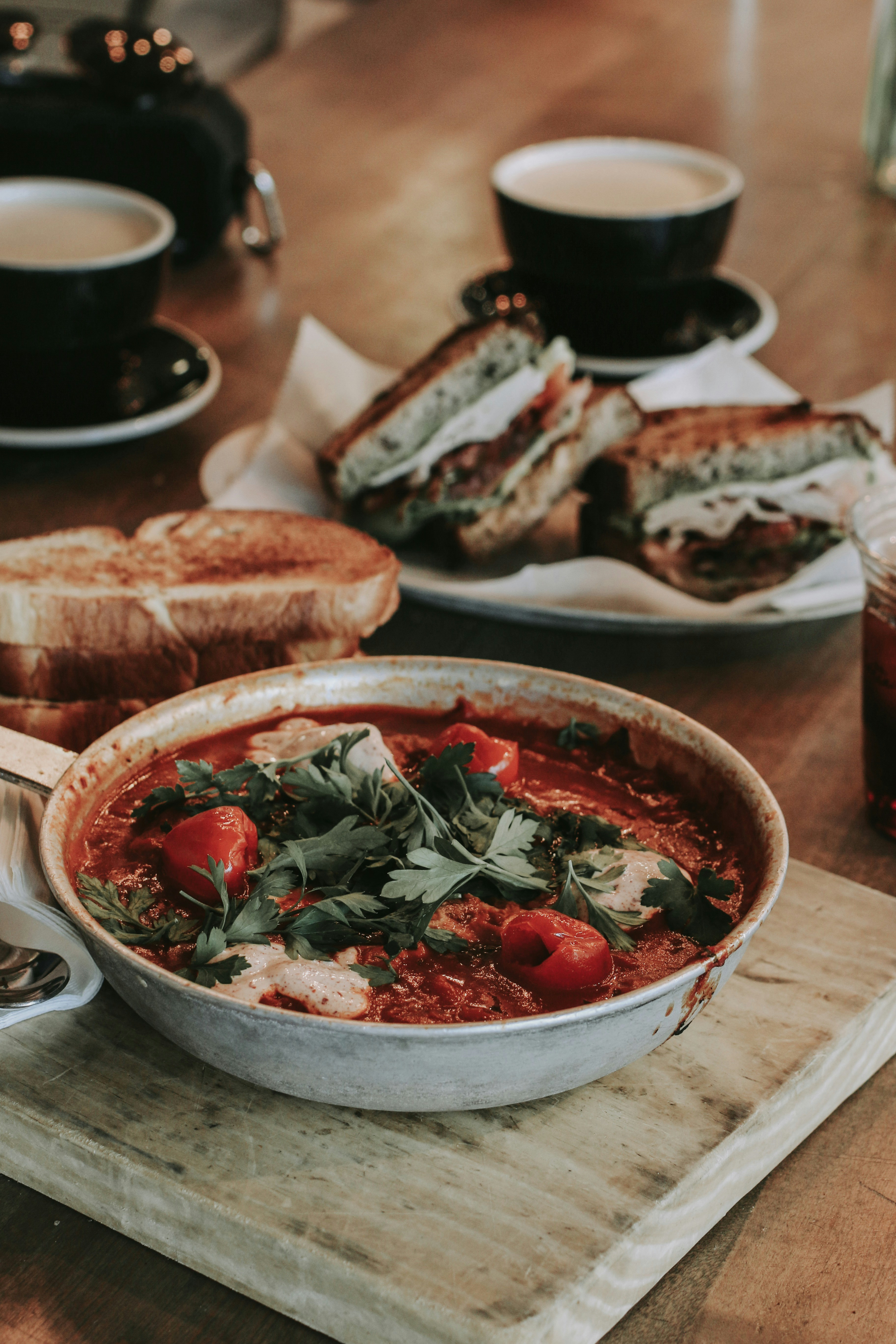
The Comfort of Nostalgic Meals
Nostalgic meals have a unique power to evoke warm memories and feelings of comfort, often acting as a culinary bridge to our past. They encompass a range of warm and hearty dishes, particularly traditional stews and casseroles, that remind us of home, family gatherings, and cherished moments shared over the dining table. These meals are more than just food; they embody the essence of familial love and community, wrapping us in a blanket of warmth even on the coldest days.
When we think of nostalgic meals, we often envision the delicious aromas wafting from the kitchen, filling our homes with an inviting scent that brings comfort. The act of cooking these recipes, passed down through generations, can transport us back to our childhood—recalling images of family members gathering to enjoy a hearty dinner after a long day. Such meals forge connections between people, creating opportunities for storytelling and bonding over shared experiences. They remind us of the importance of family traditions and the comfort found in familiar flavors.
The emotional connection we have with food is powerful. As we prepare and savor these treasured dishes, we are often reminded of the love and care that went into their creation. Each spoonful can evoke our grandmother’s kitchen or evoke heartwarming family gatherings, making the experience profoundly personal. Whether it’s a rich beef stew simmering on the stove or a bubbling casserole fresh from the oven, these meals not only satisfy our hunger but also nourish our spirit. As we delve into the world of warm and hearty recipes, we will celebrate the comfort they bring and their ability to unite us through time and memory.
The Heart of Stews: A World of Flavor
Stews have a long-standing historical significance, serving as a comforting and nourishing meal for generations. Originating from various cultures, they embody a sense of community and togetherness as families often gather to enjoy these hearty dishes. At their core, stews are characterized by their slow-cooking method, allowing flavors to meld and develop in a rich, savory broth. This approach not only enhances the taste but also transforms simple ingredients into a wholesome meal.
Across the globe, one can find diverse variations of stews, each reflecting the unique culinary traditions of their respective cultures. From the classic beef stew commonly enjoyed in Western cuisine to the fragrant Moroccan tagine or the spicy Irish stew, the world of stews is vast and exciting. Vegetarian and vegan options have also gained popularity, showcasing how versatile this meal can be. Ingredients such as root vegetables, beans, or lentils can be used as prime components to create satisfying plant-based alternatives, making stews accessible to those with different dietary restrictions.
Essential ingredients that contribute to the richness of a stew include meats like beef, chicken, or pork, which offer depth and protein. Vegetables such as carrots, potatoes, and onions serve to enhance the flavor while adding nutritional value. Herbs and spices play a crucial role, as they provide a complex flavor profile that distinguishes one stew from another. Cooking techniques, such as browning the meat before adding the liquid, can also elevate the final dish. This balance of flavors and textures is what makes stews not just a meal, but an experience that can transport one to cherished moments around a warm table.
Casseroles: Layers of Love
Casseroles have long been a staple in family kitchens, revered for their comforting nature and the ease of preparation they offer. These one-dish meals are not only practical but also versatile, allowing cooks to mix and match ingredients according to availability and preference. The essence of a casserole lies in its layers of flavors and textures, creating a satisfying dish that warms both the stomach and the soul.
Traditional casseroles such as tuna noodle and chicken and rice have captured hearts for generations. The tuna noodle casserole, with its creamy sauce and tender noodles, takes a humble can of tuna and transforms it into a delightful meal. Similarly, the chicken and rice casserole is cherished for its simplicity and adaptability, serving as a canvas for various vegetables, spices, and toppings. Each recipe reflects a type of nostalgia, often reminding families of shared gatherings around the dinner table.
One of the greatest appeals of casseroles is the opportunity for creativity. Although classic preparations are beloved, there is ample room for innovation. Cooks can experiment with different proteins, such as beef, seafood, or beans, and incorporate seasonal vegetables for added nutrition. Flavor enhancements can be achieved through a variety of spices and herbs, allowing individuals to customize their dishes to suit their tastes. Whether you adhere to traditional recipes or forge your own path, the heartwarming essence of a casserole remains intact.
Moreover, casseroles are an ideal choice for meal prep, as leftovers can be easily stored and reheated, making them perfect for busy lifestyles. As you embark on your casserole-making journey, consider involving family members in the process, creating not just a meal, but cherished memories as well. Thus, casseroles truly encapsulate layers of love—combining convenience with the comfort of home-cooked meals.
Ingredients That Bring Comfort
When creating warm and hearty meals such as stews and casseroles, the choice of ingredients plays a pivotal role in achieving the desired flavor and comfort. Fresh, quality ingredients are essential as they not only elevate the taste but also evoke a sense of nostalgia that enhances the overall dining experience. Seasonal vegetables, for example, can add vibrant flavors and textures that are reminiscent of home-cooked meals from one’s childhood.
Root vegetables like carrots, potatoes, and parsnips are excellent additions, providing natural sweetness and substance to dishes. Their ability to absorb the surrounding flavors while cooking contributes to a rich taste that is comforting. Additionally, incorporating herbs and spices such as thyme, rosemary, and bay leaves can significantly enhance the aroma and depth of the dish. These aromatic elements are often associated with warmth and home, further enriching the emotional connection to the meal.
Furthermore, protein sources such as beef, chicken, or legumes should be selected with care to ensure tenderness and richness. Using quality cuts of meat or well-prepared plant-based proteins can transform a basic casserole into a heartwarming dish that satisfies both hunger and craving for comfort. The method of preparation also matters; slow cooking allows flavors to meld beautifully, creating a stew or casserole that speaks of patience and warmth.
For sourcing ingredients, consider local markets or community farms where fresh produce can frequently be found. Engaging with local suppliers not only supports the community but also assures high-quality, seasonal ingredients that can make all the difference in your culinary creations. By prioritizing these thoughtful selections, one can create dishes that not only nourish but also bring back cherished memories of family gatherings and cozy evenings at home.
Cooking Techniques for Cozy Dishes
When it comes to preparing stews and casseroles, several cooking techniques can significantly enhance the flavor and texture of these comforting meals. By utilizing methods such as slow cooking, braising, and baking, one can create heartwarming dishes that not only bring nostalgia but also warmth to the dining table.
Slow cooking is perhaps the most favored approach for developing rich, complex flavors in stews. This technique involves cooking food at low temperatures over extended periods. As the ingredients gently simmer, they release their natural juices and meld together, resulting in a harmonious blend of tastes. The beauty of slow cooking lies in its hands-off nature, allowing one to prepare meals in advance and simply let them infuse flavors without constant monitoring. In addition, slow-cookers are invaluable for busy individuals, permitting one to set it and forget it until mealtime.
Braising is another method commonly employed in cozy dish preparation. This technique combines both dry and wet heat, often starting with searing meat or vegetables in a hot pan followed by slow cooking in a flavorful liquid, such as broth or wine. This dual approach ensures that the outer layers develop a delightful crust while the interior remains tender and moist. Braising is particularly effective for tougher cuts of meat, making them succulent and perfect for stews.
Baking is a classic method for casseroles, allowing for even cooking and texture development. Casseroles typically combine various ingredients, baked together until bubbly and golden. The benefit of baking is not only the contrasting textures it provides—such as a crunchy top layer paired with a creamy filling—but also the ability to prepare dishes ahead of time. This means you can assemble your casserole in advance and simply heat it up on busy weeknights.
Incorporating these techniques can transform simple ingredients into memorable meals, perfect for creating an atmosphere of coziness at your table.
Serving Suggestions: Elevate Your Meal Experience
Serving hearty meals like stews and casseroles can be a delightful experience when attention is given to the presentation and accompanying elements. To enhance the enjoyment of these comforting dishes, consider creative serving suggestions that not only cater to the taste buds but also enrich the overall dining atmosphere.
First and foremost, selecting complementary side dishes can significantly impact the meal’s overall appeal. For stews, options such as crusty bread, fluffy rice, or creamy polenta can provide the perfect balance, allowing diners to savor every spoonful of their dish. Casseroles often pair beautifully with fresh salads or steamed vegetables, which can add brightness and texture to the plate. Incorporating seasonal ingredients in these side dishes can elevate the flavors and create a more cohesive dining experience.
The importance of presentation cannot be overstated. Utilizing attractive serving bowls or platters can transform an ordinary meal into a visual feast. Consider layering flavors and colors in your presentation – a deep, rich stew served in a rustic bowl can be garnished with freshly chopped herbs, while a colorful casserole topped with golden breadcrumbs can be accented with vibrant side salads. Personalized place settings can also enhance the dining experience; using seasonal tableware adds a festive touch, making even casual family dinners feel special.
Moreover, customizing the serving style based on the occasion is crucial. For family gatherings, opt for communal serving where everyone can help themselves, fostering a sense of togetherness. Conversely, for more formal events, individual plating may be preferred, allowing guests to appreciate the intricacies of each dish. By thoughtfully considering the presentation and accompanying elements, you can truly elevate stews and casseroles into memorable meals that resonate with warmth and nostalgia.
Nostalgic Meal Memories
Food has an extraordinary ability to evoke memories, transporting us back in time through the tastes and aromas that shape our experiences. For many, stews and casseroles are more than just comfort food; they are cherished vessels of family history and tradition. As we gather around the dining table to enjoy these hearty meals, we often find ourselves reminiscing about the moments that made them special. Sharing these stories can deepen our connection with one another.
Perhaps you recall your grandmother’s signature beef stew, simmering on the stove, filling the house with a savory aroma that promised warmth and comfort. The preparation might have been a family affair—chopping vegetables, stirring the pot, and awaiting the moment when everyone sat down together. Even the occasional mishap, like an overly salty broth, could lead to laughter and delightful memories. Such stories form the fabric of our culinary heritage.
Casseroles often serve as a testament to family traditions. Many families have a treasured recipe, handed down from generation to generation, transforming ordinary ingredients into extraordinary meals. You might remember gatherings where your mother prepared her famous macaroni and cheese, knowing that everyone would request seconds. It is through these recipes that we find a connection to our past, woven in the love and care of those who came before us.
As we ponder our own nostalgic meal experiences, let us encourage one another to share these personal stories. Whether it’s a vegetable casserole that marked holiday celebrations or a simple stew that was a comforting end to a long day, these recollections help to strengthen our community. Each shared recipe and memory resonate with the warmth of home and the comfort of shared meals, reminding us of the indispensable role that food plays in our lives.
Healthy Twists on Traditional Comfort Foods
Traditionally, comfort foods such as stews and casseroles are often synonymous with rich flavors, hearty textures, and warming qualities. However, these dishes can also be enhanced to reflect healthier eating habits without compromising on taste. The first step in transforming these classic meals is to consider fat and calorie content. Opting for lean meats such as chicken, turkey, or plant-based proteins can significantly reduce overall calories while still providing essential nutrients. Additionally, reducing the amount of added oils or opting for healthier fat sources, like olive oil, can maintain the dish’s flavor while promoting better health.
Another essential aspect of creating healthier comfort meals lies in the incorporation of vegetables. Adding a variety of colorful vegetables not only boosts the nutritional value of stews and casseroles but also enhances flavor and texture. Root vegetables, leafy greens, and legumes are excellent choices that can easily blend into traditional recipes. A well-prepared vegetable base can impart a depth of flavor that rivals richer ingredients, ultimately contributing to a more balanced meal.
Whole grains present another avenue for enhancing the nutritional profile of these beloved dishes. Substituting refined pasta and rice with whole grain alternatives, such as quinoa, brown rice, or whole grain pasta, elevates the fiber content. This modification not only fosters digestive health but also enhances satiety, promoting a lasting feeling of fullness. When preparing stews or casseroles, consider thickening sauces with whole grain flours or blended legumes to achieve a rich consistency without excessive calories.
These healthy twists on traditional comfort foods allow for an enjoyable dining experience that aligns with modern nutritional priorities. By being mindful of ingredient choices and cooking techniques, one can create balanced meals that celebrate nostalgia while championing healthier eating habits.
Conclusion: Embracing the Comfort of Home-Cooked Meals
In our fast-paced lives, the significance of warm and hearty meals cannot be overstated. Home-cooked meals, especially nostalgic stews and casseroles, offer more than just nourishment; they provide a comforting embrace that many individuals yearn for in their daily routines. These meals are often infused with love and tradition, evoking memories of home, family gatherings, and shared laughter around the dinner table. By preparing these comforting dishes, individuals can create not just food, but a sense of belonging that resonates with their loved ones.
The act of cooking and sharing meals goes beyond simple sustenance; it fosters deeper connections among family and friends. Engaging in the kitchen, whether alone or as a group, allows for creativity and expression while also serving as an opportunity to bond over cherished recipes passed down through generations. By embracing the art of cooking, one creates an atmosphere of warmth that welcomes conversation, storytelling, and togetherness.
Furthermore, the joy derived from preparing and savoring these dishes is invaluable. Each recipe tells a story, and each bite evokes a sense of nostalgia that transports individuals back to their roots. Encouraging readers to try the featured recipes not only enhances their culinary repertoire but also allows them to forge their own memories and traditions. As you delve into these delicious concoctions, remember to relish the process, embrace the flavors, and savor the moments shared.
Ultimately, incorporating warm and hearty meals into one’s life strengthens familial ties and promotes overall well-being. So gather your loved ones, try out the delightful stews and casseroles presented, and witness first-hand how comfort food can create a home filled with love and happiness.